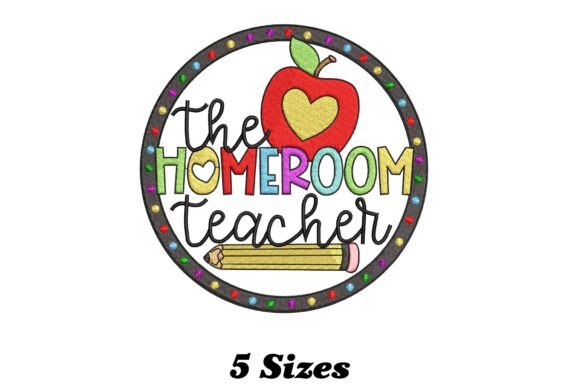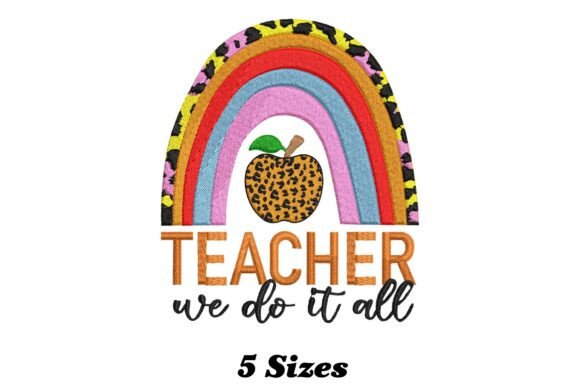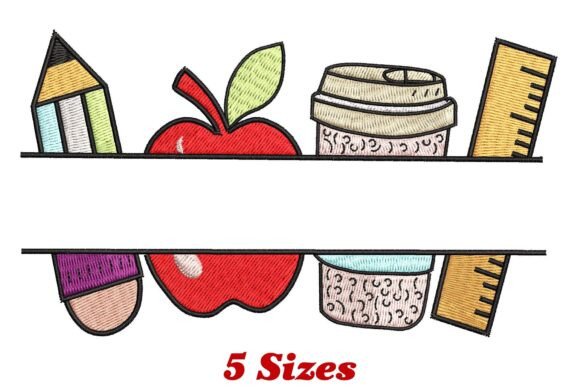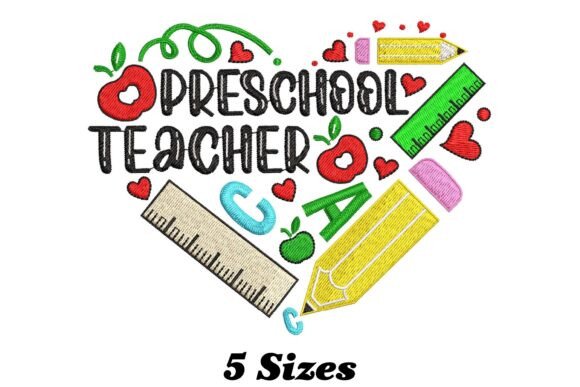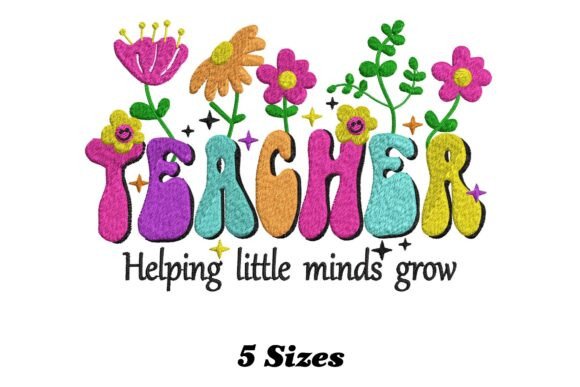
Teacher Helping Little Minds Grow
A Practical Embroidery Designer’s Review for Small Business Merch
As an embroidery designer who’s digitized and stitched over 2,000 commercial projects—from boutique aprons to school district staff uniforms—I approached Teacher Helping Little Minds Grow with a very specific question: Does this design translate into trustworthy, scalable brand assets—or is it purely decorative? The title alone signals warmth and purpose, and the description—“a charming,” “playful and heartfelt” design that adds “a whimsical touch”—gives immediate cues about tone. But for small business owners, Etsy sellers, and apparel decorators, charm must hold up under real-world production demands.
First Impression: Friendly, Handmade, and Professionally Approachable
Teacher Helping Little Minds Grow reads as intentionally human—not corporate, not sterile, not overly cutesy. It lands in that sweet spot many creative small businesses seek: handmade product energy with quiet professionalism. Think of a local Montessori-inspired toy shop, a children’s book illustrator’s merch line, or a teacher-founded stationery brand. It feels classic enough for school-branded embroidered patch sets, yet fresh enough for a florist’s summer camp tote bag design. It avoids dated clipart tropes and leans into emotional resonance—a key differentiator when buyers scroll past dozens of generic “teacher” motifs.
Real-World Performance Across Business Applications
In practice, Teacher Helping Little Minds Grow excels where authenticity matters most. As a chest logo on staff aprons at a family-run learning café? Yes—it reinforces mission without shouting. As a sleeve detail on custom apparel for a tutoring co-op? Absolutely—it adds subtle distinction without overwhelming the garment. On cotton tote bags for a school PTA fundraiser? It scales well and reads clearly at 3.5"–4". As a cap embroidery front design? With careful placement and simplified thread color choices (e.g., navy + cream), it maintains legibility even on structured caps.
It also works beautifully as a branded product add-on—think stitched onto the corner of a handmade notebook sleeve, a fabric gift tag for educational kits, or a sewn-in label on organic cotton drawstring bags. Because the concept is inherently narrative-driven, it supports storytelling in printable mockup presentations and strengthens visual consistency across digital and physical touchpoints. For Etsy sellers, that means higher perceived value—and stronger buyer engagement when customers connect emotionally with the message.
Where Caution Is Needed: Production Realities
That said, Teacher Helping Little Minds Grow isn’t universally forgiving. Its “whimsical” nature suggests potential detail—curved outlines, fine stems, or delicate lettering—that may struggle at tiny patch sizes (<2"). If the original machine embroidery design includes high stitch density or tight interior fills, it can pucker on textured fabric like linen blends or heavy canvas. On dark uniforms—especially polyester blends—it demands strong thread colors with contrast; light pastels may disappear without proper underlay or stabilizer strategy.
Caps, curved surfaces (like backpack pockets), and items requiring frequent washing (e.g., daycare staff shirts) need special attention. Always test the digital embroidery file on your target fabric *before* bulk production. Confirm whether the design includes clean satin-stitched text or fill-heavy elements that could stiffen the finished product. And never assume it’s optimized for low-density applications—review spacing between elements and check for floating stitches that might snag during wear.
Brand Identity Impact: More Than Just a Motif
Used thoughtfully, Teacher Helping Little Minds Grow does more than decorate—it communicates values. In the School category, it signals care, growth, and intentionality—qualities that build customer trust far more effectively than generic icons. When paired consistently across apron embroidery, tote bag design, and event merch, it becomes part of a recognizable visual language. That consistency strengthens brand identity, especially for micro-brands competing with mass-market alternatives.
For handmade brands, it reinforces authenticity. Buyers increasingly seek meaning behind their purchases—and a design rooted in education, mentorship, and nurturing resonates deeply. It elevates the finished product from “nice stitch” to “thoughtfully made.” That perception directly affects pricing power, repeat purchase likelihood, and word-of-mouth sharing—critical metrics for any small business merch strategy.
Essential Embroidery Designer Notes Before You Stitch
- Test in black and white first—to assess balance, contrast, and silhouette clarity without color distraction.
- Verify small patch viability—reduce to 2.25" and run a sample; look for legible proportions and smooth curves.
- Review thread color contrast on your actual fabric swatch—not just screen previews.
- Inspect spacing between figures and text; tight gaps may close up or distort during stitching.
- Confirm hoop size compatibility with your primary production machines—don’t assume it fits standard 4x4 hoops.
- Test on real fabric with your intended stabilizer combo—especially on stretchy, napped, or coated materials.
- Create a client-approved mockup before digitizing or stitching—visual alignment prevents costly revisions.
- Compare beside other design assets (logos, fonts, patterns) to ensure cohesive visual rhythm.
- Confirm commercial licensing before using in commercial embroidery or resale products—verify usage rights for patches, apparel, and digital distribution.
Remember: A beautiful embroidery file only delivers ROI when it performs reliably across your full production workflow. Teacher Helping Little Minds Grow has strong emotional appeal—but its real strength lies in how well it serves your business goals. Use it with intention, test with discipline, and let its heartfelt message amplify your brand—not distract from it.