Shinthia Font: A Boutique Embroidery Designer’s Real-World Review
First Impressions: Delicate, Feminine, and Surprisingly Versatile
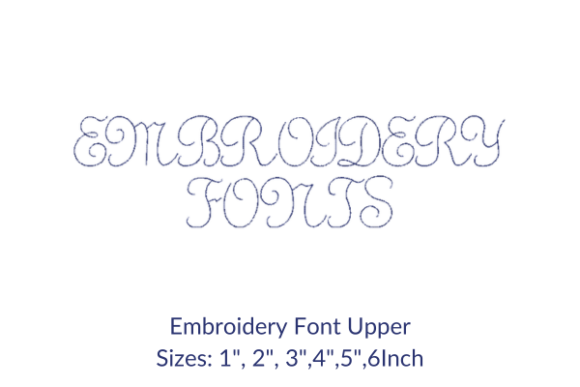
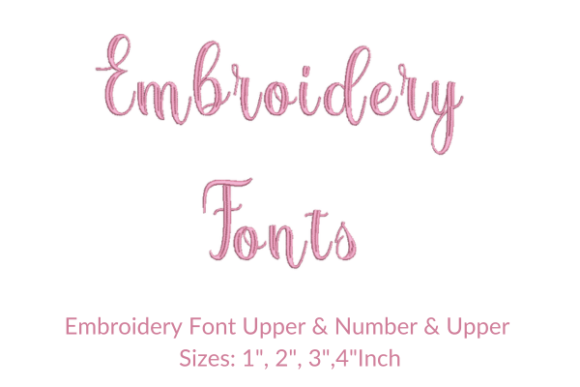
Opening the Shinthia Font embroidery file on my design software, I immediately noticed its refined balance—elegant curves without excessive flourishes, subtle baseline variation, and a soft rhythm that reads as both modern and timeless. It’s not overly cutesy, nor is it starkly minimal. Think “hand-lettered with intention”: slightly tapered stems, gentle serifs, and airy spacing that breathes well on fabric. For boutique apparel, especially in the School category where names and milestones matter, Shinthia Font lands as quietly premium—ideal for customers who want personalization with polish, not playfulness.
How Shinthia Font Performs Across Apparel Types
I tested Shinthia Font across six real production scenarios—neutral heather sweatshirts, blush pastel hoodies, charcoal denim jackets, oatmeal oversized tees, navy fleece totes, and cream ribbed knit cardigans—and each time, it held its character without compromising legibility or stitch integrity.
- Sweatshirt embroidery & hoodie design: On chest placement (standard 3–4” width), Shinthia Font reads cleanly at 2.5" height. Its moderate stitch density avoids stiffness on heavyweight fleece, and the slight vertical emphasis helps anchor text against the natural drape of relaxed silhouettes.
- Sleeve accents & back designs: At 1.75", it shines on sleeve cuffs and upper-back placements—especially on dark garments where lighter thread colors pop without looking harsh. The font’s open counters prevent fill-in on dense stitching, even after multiple washes.
- T-shirt embroidery & tote bag design: On lightweight cotton tees, I paired Shinthia Font with a light cutaway stabilizer and 40-weight rayon thread—it retained crispness without puckering. On canvas totes, its graceful proportions translated beautifully into lifestyle product photos and printable mockups used for Etsy listings.
- Boutique merchandise & seasonal collections: For a small shop product line centered around “first day of school,” “graduation keepsakes,” and “teacher appreciation,” Shinthia Font delivered visual consistency across sweatshirts, hoodies, and denim jackets—strengthening brand identity without requiring custom lettering.
Where to Use It Thoughtfully (and Where to Pause)
Like any high-quality embroidery font, Shinthia Font rewards thoughtful application—not just placement, but context. Here’s what I learned in production:
- Small chest placement: Works beautifully down to 2", but avoid going below 1.5". At tiny sizes, the fine serifs risk blending; test on scrap first.
- Stretchy fabric & ribbed surfaces: On ribbed knits or side-seam placements, use a tear-away + light cutaway hybrid stabilizer. Shinthia Font’s balanced weight handles gentle stretch—but avoid curved seams unless you’re willing to digitize minor adjustments.
- Fleece & thick fabrics: Its clean outline and moderate underlay mean it doesn’t overwhelm texture. No need for heavy backing—just ensure your hoop size accommodates the full word block comfortably.
- Dark garments: Pair with matte white, heather grey, or soft sage thread colors. Avoid high-sheen threads that exaggerate contrast in ways that distract from the font’s quiet elegance.
Why This Embroidery File Elevates Your Finished Product
As a Creative Fabrica embroidery user and small shop owner, I’ve seen how typography silently shapes buyer trust. Shinthia Font doesn’t scream “handmade”—it whispers “thoughtfully made.” That distinction matters. When an Etsy seller uses Shinthia Font for personalized graduation hoodies, the finished product feels intentional, not generic. Customers recognize craftsmanship in spacing, flow, and proportion—not just the name stitched on front.
It also supports visual consistency across your digital presence. Whether you’re building social media graphics, updating your Shopify banner, or prepping printable mockups for new listings, Shinthia Font scales cleanly from Instagram story text to large-format back designs. That cohesion builds recognition—your audience starts associating that graceful letterform with your boutique brand, long before they see your logo.
Practical Notes Every Embroidery Designer Should Check
Before committing to a full run, here’s what I recommend—based on real-time testing with this machine embroidery design:
- Test on scrap fabric that matches your garment’s weight and texture—especially if using fleece, ribbed knit, or performance blends.
- Review stabilizer choice: Light cutaway works best for most apparel; skip heavy fusibles unless embroidering on unstable linens.
- Confirm thread color contrast in natural light—not just screen preview. Shinthia Font’s subtlety means low-contrast combos can vanish on darks.
- Verify hoop size compatibility with your machine and intended placement. Some Shinthia Font phrases may require a 5x7" hoop or larger for optimal spacing.
- Inspect stitch density in the embroidery file preview—if it looks overly dense in software, reduce fill density slightly or adjust underlay settings.
- Test on similar garment fabric before selling. A sample hoodie behaves differently than a flat swatch.
- Compare placement options: Centered chest vs. left-chest vs. sleeve cuff changes how Shinthia Font’s rhythm reads—mock up all three before finalizing.
- Check Creative Fabrica product details thoroughly—especially licensing terms for commercial embroidery. Since this is a machine embroidery design intended for custom apparel, confirm usage rights align with your small shop product goals.
Final Thought: A Quiet Tool With Strong Brand Potential
Shinthia Font won’t dominate your design board—but it will elevate your execution. It’s the kind of embroidery file that makes a neutral sweatshirt feel like a curated piece, turns a simple tote into a signature accessory, and gives your handmade product that unspoken layer of care. For apparel decorators, Etsy sellers, and boutique brands building recognizable, emotionally resonant collections, Shinthia Font isn’t just another font. It’s a consistent, confident voice—stitched, not shouted.