Letter L Outline: A Seasonal Embroidery Staple
First Impressions: Clean, Versatile, and Quietly Festive
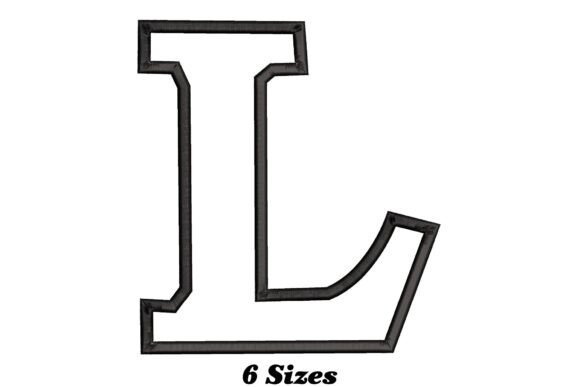
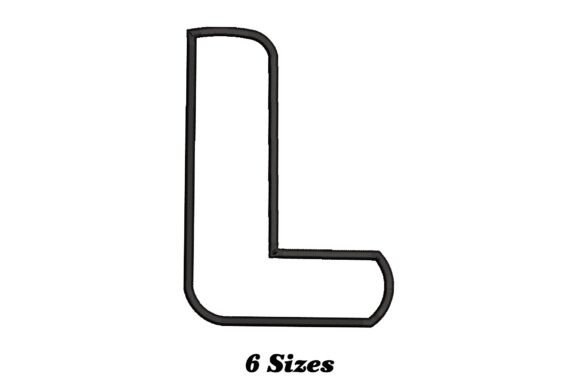
As an embroidery designer who’s built six holiday collections from scratch—and watched which designs fly off digital shelves—I opened Letter L Outline expecting simplicity. What I found was something more intentional: a crisp, open-outline letterform with graceful curves and balanced negative space. It doesn’t shout “Christmas” or “Back to School”—and that’s its strength. The design carries a calm, modern elegance—neither overly playful nor stiffly formal. It reads as cozy *and* premium, nostalgic *and* fresh. That duality makes Letter L Outline uniquely adaptable across seasonal shifts: think autumnal linen pillow covers in burnt umber thread, spring baby onesies in mint, summer tote bags in sun-bleached coral, or winter sweatshirts in charcoal-gray satin stitch.
Real-World Holiday & Seasonal Use Cases
This isn’t just another monogram—it’s a quiet workhorse for small shop product strategy. On sweatshirt embroidery, Letter L Outline anchors family matching sets without overwhelming the garment. Paired with coordinating initials or subtle seasonal motifs (a tiny snowflake, leaf, or heart tucked into the counter of the L), it becomes a personalized gift—not generic, but warmly human. For Etsy sellers, it’s ideal for “customizable holiday bundles”: a kitchen towel embroidery set + embroidered patch + pillow cover, all unified by the same clean outline style. At craft fairs, Letter L Outline shines on aprons and table linens—items buyers associate with gathering, tradition, and handmade care.
It also performs beautifully in social media previews. Because the outline is uncluttered and scalable, it renders clearly in printable mockups—even at thumbnail size. That clarity boosts visual recognition across platforms and helps build brand consistency when you pair it with a signature thread palette (e.g., navy + cream + terracotta across all fall products). And for holiday shoppers scanning quickly? That recognizable shape builds instant trust: they know your work is precise, professional, and thoughtfully scaled.
Where It Shines—and Where to Proceed Thoughtfully
Letter L Outline excels on stable, medium-weight fabrics: cotton twill for tote bags, terry cloth for kitchen towels, linen-cotton blends for pillow covers, and midweight fleece for baby blankets. Its open structure breathes well on textured surfaces and avoids bulk—critical for items like embroidered patches meant for repeated washing or delicate baby items.
But caution is wise in specific scenarios. On thick towels or heavy canvas, reduce stitch density manually if the file allows—or confirm the original embroidery file includes optimized underlay. On stretchy garments like ribbed knits or curved caps, always use cutaway stabilizer and test-stitch first: the clean lines can distort if tension or stabilization isn’t dialed in. Dark fabric demands careful thread color selection—avoid low-contrast pastels unless you’re aiming for subtlety; rich jewel tones or metallics pop beautifully but require testing for sheen consistency. And while Letter L Outline scales well, avoid shrinking it below 2.5 inches tall in hoop size—fine detail may vanish on small hoop applications like ornaments or mini patches.
Design Notes Every Embroidery Seller Should Apply
Before adding Letter L Outline to your seasonal lineup, run these practical checks:
- Test thread colors on both light and dark fabric—especially if marketing “ready-to-ship” items. A single thread choice rarely works universally.
- Confirm hoop size compatibility with your most-used machines. If your shop relies on 4x4 hoops, verify the design fits comfortably within that boundary—even when scaled for baby onesies or ornament backs.
- Review stitch density. As a machine embroidery design, its open-outline nature likely keeps density moderate—but check for dense fill areas if the file includes optional inner shading or shadow effects.
- Match stabilizer to fabric texture: tear-away for stable wovens, cutaway for knits, and water-soluble for delicate layers like organza or lace overlays.
- Create realistic mockups—not just flat white backgrounds. Show it stitched on a folded kitchen towel, draped over a ceramic mug, or centered on a relaxed-fit sweatshirt. Buyers visualize gifting faster when context is clear.
- Zoom in post-stitch on sample runs. Check corners and curve continuity—especially where the outline meets itself. A clean join reinforces perceived quality.
- Plan a cohesive thread palette across your collection. If Letter L Outline appears on both a holiday sweatshirt and a spring tote bag, consistent color families (e.g., warm neutrals or soft botanicals) strengthen brand identity.
- Verify commercial licensing before selling finished seasonal products. As a digital embroidery file marketed for school and embroidery use, confirm whether resale of physical goods is permitted—and whether attribution or usage limits apply.
Why This Design Fits the Seasonal Mindset—Not Just the Calendar
Holiday shoppers don’t just buy products—they buy meaning, memory, and mood. Letter L Outline delivers emotional resonance without cliché. It feels personal without being prescriptive. It supports storytelling—whether that’s “L for Luna,” “L for Legacy,” or “L for Love Letters”—making it powerful for personalized gift campaigns. For Etsy sellers and small shop owners, that flexibility means one design can serve multiple niches: back-to-school teacher gifts (paired with apples or chalkboard motifs), baby shower favors (“L for Little One”), wedding guest favors (“L for Love”), or even faith-based home decor (“L for Light”).
Its simplicity also invites collaboration—customers love adding their own twist. An embroidered patch with Letter L Outline becomes a canvas for hand-stitched flourishes or fabric paint accents. A kitchen towel embroidery piece gains charm when paired with hand-lettered tags or custom-printed gift wrap. That participatory potential deepens engagement during high-intent holiday shopping periods.
In short: Letter L Outline isn’t flashy—but it’s reliable, emotionally intelligent, and commercially agile. When your goal is to move beyond trend-chasing and build a seasonal embroidery collection rooted in craftsmanship, clarity, and quiet joy, this design earns its place—not as filler, but as foundation.