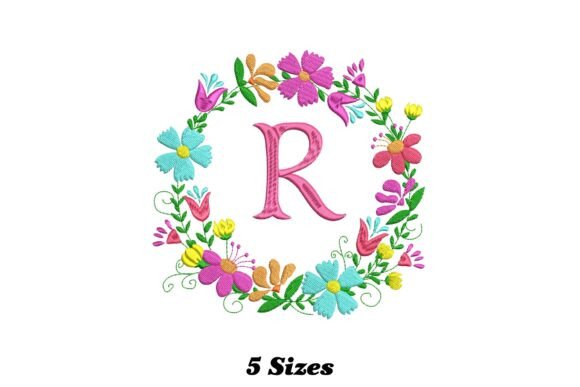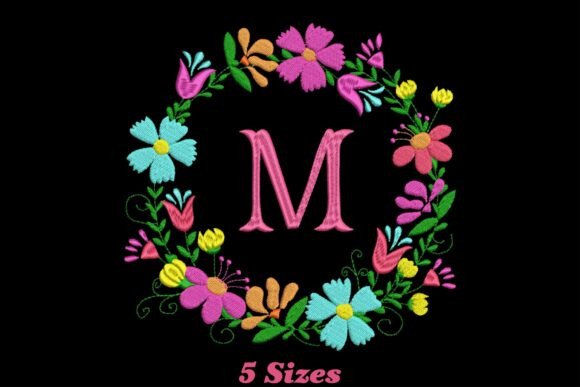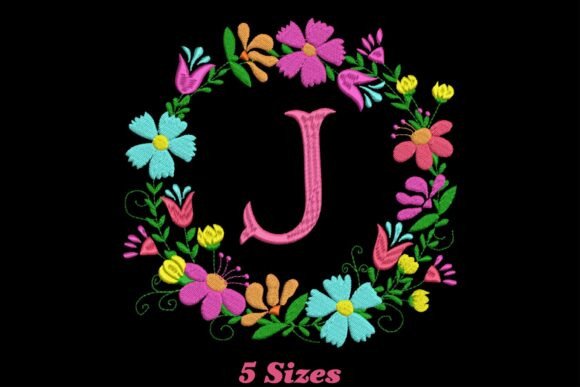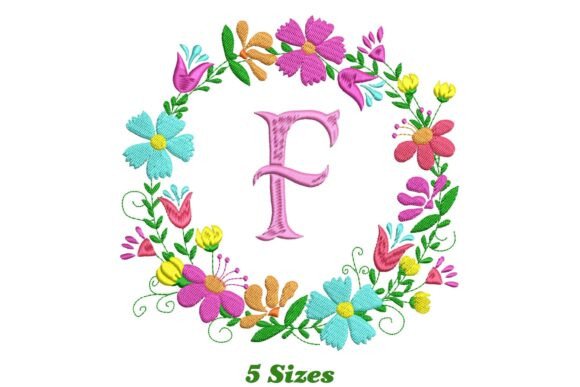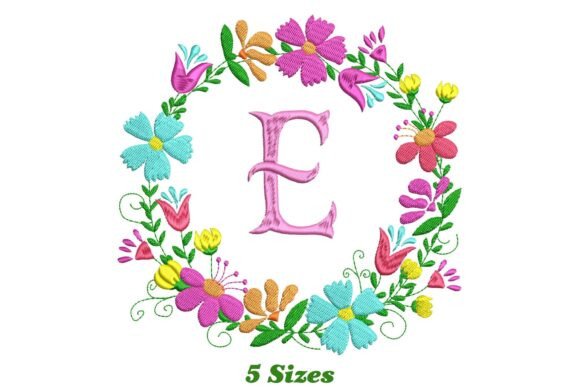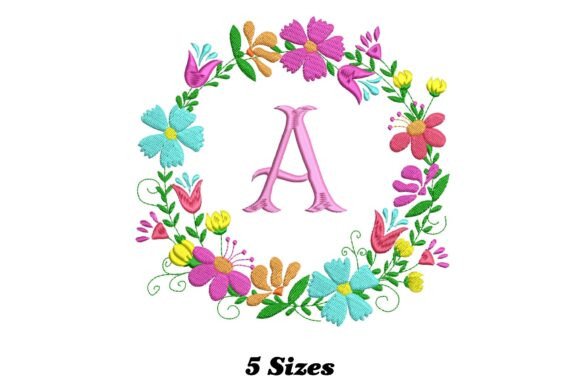
Flower Alphabet Letter A
A Whimsical “A” That Feels Like Spring in Stitch Form
The moment I opened Flower Alphabet Letter A, I didn’t just see a letter—I saw a tiny garden stitched into shape. It’s soft-edged, lightly dimensional, and built with clear intention: this isn’t a bold monogram for corporate branding or a minimalist sans-serif for modern apparel. It’s a gentle, hand-crafted whisper—ideal for baby onesies, nursery wall hangings, or the front pocket of a linen tote bag meant for farmers’ market runs. As a designer who’s stitched hundreds of alphabet sets for client projects and small-batch merchandise, I immediately recognized its niche: personalized, emotionally resonant handmade products where charm matters more than crispness.
How It Lands on Real Projects—Not Just Screens
Last week, I prepped a custom embroidered canvas tote for a local preschool teacher—a gift for her first day back after maternity leave. She asked for something “soft, joyful, and not too busy.” I chose Flower Alphabet Letter A to anchor the design (her name starts with A), paired with a single trailing vine motif. On the finished tote, it held up beautifully: the petals read clearly at 3.5 inches tall, the stem curved naturally across the fabric grain, and the overall scale felt intentional—not oversized or shrinking into insignificance. Customers notice that difference. When a letter carries visual warmth and subtle texture, it elevates the whole handmade product from “cute” to “thoughtfully made.”
I’ve also tested Flower Alphabet Letter A on cotton-linen tea towels, lightweight baby bodysuits, and structured twill aprons. It shines brightest on medium-weight, stable fabrics—especially natural fibers like cotton, linen, or midweight denim. On those surfaces, the satin stitch petal edges stay smooth, the fill stitch centers remain even, and the running-stitch vine details don’t blur or pucker. It’s less forgiving on stretchy knits (like jersey t-shirts) without proper cutaway stabilizer, and on very dark fabrics, lighter thread colors need extra density to avoid looking washed out.
Where It Fits—and Where It Needs Extra Care
- Great for: Nursery decor, personalized baby gifts, boutique sweatshirt embroidery, embroidered patches (when digitized for clean edge retention), holiday embroidery on kitchen towels, and Etsy seller listings where “whimsical school-themed” or “botanical learning tools” are key search terms.
- Use carefully on: Curved surfaces like caps (the vine element may distort unless resized and rehooped), ultra-thin fabrics like voile (risk of show-through or puckering), and tightly textured weaves like heavy burlap (fine petal details can get lost).
- Avoid for: High-density commercial embroidery runs where speed and consistency outweigh decorative nuance—or any project requiring sharp, technical legibility (e.g., school ID badges or uniform lettering).
What It Adds Beyond the Stitch
As an embroidery file, Flower Alphabet Letter A doesn’t just spell a letter—it communicates tone. Its presence on a finished product tells customers: This wasn’t mass-produced. Someone chose this detail. Someone cared about how it feels to hold. That builds trust, especially for Etsy sellers and craft fair vendors whose buyers prioritize authenticity over polish. For small shop owners building a brand around gentle learning, nature-based themes, or early childhood education, this design becomes part of a visual language—not just decoration.
It also performs well in digital contexts: as a printable mockup asset, it scales cleanly for product previews; in black-and-white line art, its shape remains instantly recognizable; and when layered with coordinating botanical motifs, it supports cohesive design assets for seasonal collections (think spring enrollment kits or back-to-school aprons).
Designer Notes You’ll Actually Use
- Always test on scrap fabric first—especially if stitching on textured or dark backgrounds. What reads as delicate on screen can vanish or bleed on real cloth.
- Check thread color contrast deliberately. This design relies on subtle layering—light green vines against ivory petals won’t pop on cream fabric without adjusting stitch density or thread sheen.
- Confirm hoop size compatibility. While it’s compact enough for most 4x4 hoops, intricate petal outlines may require slight resizing if your machine struggles with tight curves at smaller scales.
- Inspect small details before finalizing. Zoom in on the center of the flower—is there a clean stop point? Does the stem taper naturally? These micro-decisions affect professionalism in the finished product.
- Test stabilizer pairing. A lightweight tear-away works for stable cottons; switch to cutaway for knits or anything destined for frequent washing (baby items, kitchen towels).
- Verify licensing before selling. Since this is categorized under School and Embroidery, confirm whether the machine embroidery design permits commercial use for physical goods—or if resale of the digital file itself is restricted.
Final Thought: It’s Not Just an “A”—It’s an Invitation
Flower Alphabet Letter A doesn’t shout. It invites—invites a child to trace the petals with a finger, invites a customer to pause and smile at the thoughtfulness behind a handmade gift, invites a small business owner to build something tender and memorable in a crowded market. It won’t replace a bold block font for athletic wear or a sleek script for luxury branding. But for the right context—custom apparel with heart, personalized gifts with meaning, or craft business collections rooted in quiet joy—it’s exactly the kind of detail that makes people remember your work. And in embroidery, where every stitch is visible and intentional, that kind of resonance is everything.