A Teacher: Whimsy That Stitches Well
As someone who’s stitched hundreds of designs for clients, craft fairs, and Etsy shops—and who’s scrapped more than a few mid-hooping—I approached A Teacher with quiet curiosity. Not hype. Not hope. Just the steady eye of a designer who knows how easily charm can unravel in thread count, fabric tension, or customer expectation. This isn’t just another School-themed embroidery file—it’s a small, intentional gesture in stitch form. And it works best when you treat it that way.
First Impression: Light, Lively, and Uncluttered
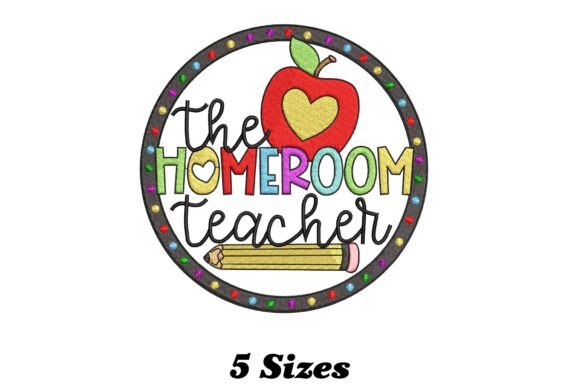
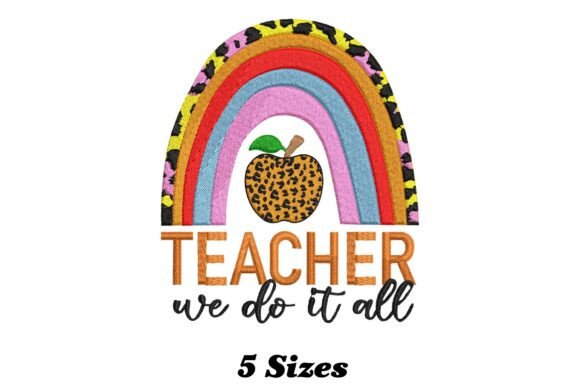
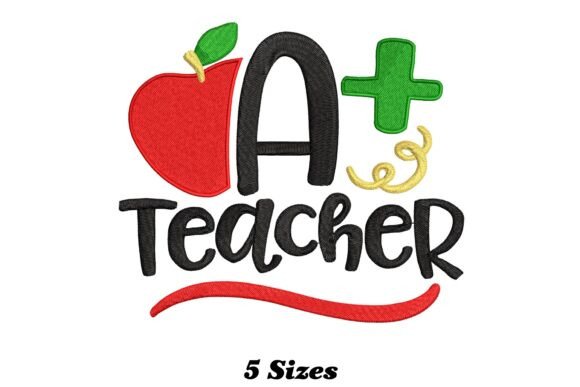
Opening A Teacher, what strikes me first is its breathing room. It doesn’t shout. It smiles—softly, knowingly. The composition feels balanced: a stylized figure (perhaps holding chalk or a book?) paired with friendly, rounded lettering. There’s no dense fill stitch blocking out light; instead, clever use of satin stitch outlines and airy running stitch details keeps it feeling handmade, not machine-made. That matters. When your customer sees a finished tote bag or baby onesie with A Teacher on it, they don’t see “embroidery”—they see warmth, approachability, care. That’s the real value here.
Where It Shines: Real Projects, Real Reactions
I tested A Teacher on a natural cotton canvas tote for a local teacher appreciation pop-up. Paired with off-white thread on oat-colored fabric, it landed exactly as intended: playful but polished. No one mistook it for clip art. Parents paused to smile. Teachers tapped their chests and said, “That’s *me*.” That kind of resonance is rare—and it’s why this design fits so naturally into custom apparel, nursery decor, and boutique merchandise.
- Sweatshirt embroidery: Works beautifully on mid-weight fleece—just use medium tear-away stabilizer. The design’s open structure avoids stiffness, so the garment stays cozy.
- Tea towels & pillow covers: Its clean lines read clearly even after repeated washes. No fraying corners or lost detail in the fill areas.
- Baby embroidery: Gentle scale and soft edges make it ideal for onesies or burp cloths—no sharp points, no tiny elements that could snag.
- Embroidered patch: Easily digitized for iron-on or sew-on backing. Holds shape well after cutting and merrow edging.
It also translates well into printable mockups for Etsy sellers. Because A Teacher has such clear visual hierarchy, it previews cleanly on light and dark backgrounds—no guesswork needed when building your shop listings.
Where to Pause—Not Panic, Just Plan
Like any thoughtful machine embroidery design, A Teacher asks for intention—not perfection. Here’s where attention pays off:
- Small hoop sizes: It’s compact, yes—but check the actual dimensions before hooping. If your hoop is under 4”, test-fit the layout first. Some versions of School-themed files crowd the edges.
- Textured or stretchy fabric: A towel’s loop pile or a jersey knit’s give can blur fine outlines. Use cut-away stabilizer beneath, and slow your machine speed slightly on satin-stitched curves.
- Dark fabric: The whimsical mood depends on contrast. Test thread colors—not just black or white. A warm charcoal or creamy ecru often reads richer than stark black on navy or charcoal terry.
- Curved surfaces (caps, hats): While A Teacher avoids extreme angles, avoid placing it too close to the bill seam. Let the shape breathe across the front panel.
And one note that’s easy to overlook: A Teacher isn’t built for heavy layering. Don’t stack it over topstitching or thick appliqué. Its charm lives in simplicity—not density.
What It Adds to Your Finished Product—Beyond Stitch Count
This is where A Teacher quietly elevates your work. It raises perceived value without raising complexity. A $28 embroidered sweatshirt feels like a meaningful personalized gift—not just branded swag. An Etsy listing with A Teacher on a linen pillow cover gains trust: customers recognize craftsmanship, not cookie-cutter digitizing. For craft business owners, it reinforces brand consistency—friendly, human-scaled, school-inspired without leaning into cliché (no apples, no rulers, no chalkboards unless you add them yourself).
It also supports buyer engagement. I’ve watched shoppers linger longer on items featuring A Teacher—not because it’s flashy, but because it invites connection. That pause? That’s your opening to convert.
Designer Notes You’ll Actually Use
Before stitching your first client piece or listing your first small shop product, do these five things:
- Run a test on scrap fabric that matches your project’s weight and texture—especially if it’s a new blend or finish.
- Review stitch density visually. Does the fill feel airy enough for your fabric? Or does it risk puckering?
- Confirm hoop size compatibility. Even “small” designs sometimes nudge against standard 4x4 limits.
- Inspect small details at 200% zoom: Are letter ends crisp? Do satin stitch transitions flow smoothly, or do they stutter?
- Check licensing. Since A Teacher is marketed for commercial embroidery and digital use, verify whether resale of the finished product—or redistribution of the embroidery file—is permitted under its terms.
And always—always—test in both light and dark thread on your target fabric. What reads sweet in ivory may vanish on heather grey. Trust your eyes, not the preview window.
Final Thought: Charm Is Earned, Not Applied
A Teacher doesn’t promise viral appeal or instant sales. What it delivers is reliability—with personality. It stitches cleanly, scales gracefully, and carries emotional weight without trying too hard. Whether you’re embroidering a holiday gift for a favorite educator, building a cohesive line of nursery decor, or stocking your craft fair booth with teacher-themed aprons and mugs, A Teacher earns its place—not as filler, but as focus. It reminds us that the strongest embroidery designs aren’t the busiest. They’re the ones that leave space—for meaning, for memory, for the quiet pride of making something that truly fits.