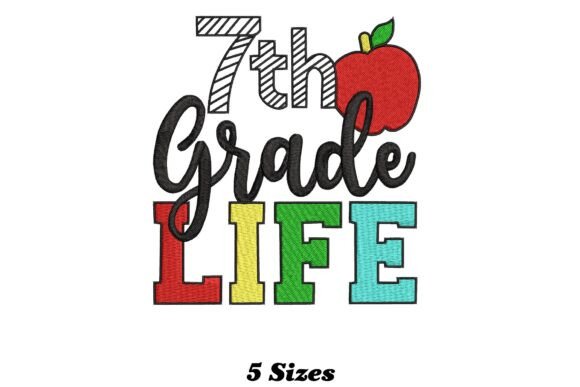
7th Grade Student Embroidery Design
First Impressions: Playful, Whimsical, and Instantly Relatable
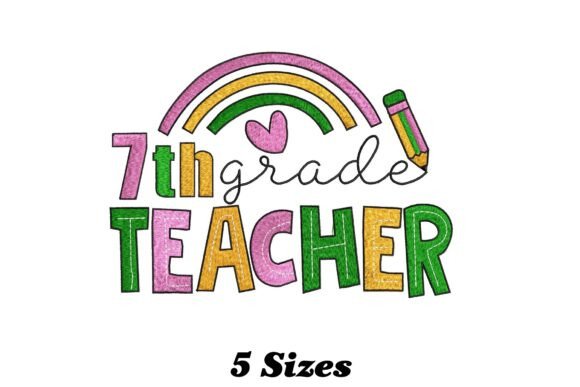
As an embroidery designer who’s tested hundreds of school-themed files for gift shops and Etsy sellers, 7th Grade Student landed on my hoop with a quiet confidence. It doesn’t shout—it smiles. The mood is lighthearted but grounded, charming without being cutesy, and unmistakably handmade in spirit. There’s a gentle rhythm to the lettering and subtle flourishes that suggest thoughtful design—not auto-traced clip art. It feels modern enough for a teen’s tote bag yet warm enough for a baby’s receiving blanket. This isn’t just another “back-to-school” motif; it’s a personalized gift anchor—a phrase that sparks recognition, nostalgia, and pride all at once.
Where This Design Truly Shines
7th Grade Student excels where emotional resonance meets everyday utility. For baby embroidery? Stitch it onto a soft cotton muslin blanket—paired with a tiny embroidered pencil or apple—to create a keepsake that celebrates future milestones. As a wedding gift? Imagine it on a linen pillow cover beside “Mr. & Mrs.”—a sweet nod to lifelong learning and shared growth. Nursery decor gains instant personality when stitched onto a framed cotton wall hanging or a reversible crib bumper (always using certified-safe thread and stabilizer).
For small shop owners and Etsy sellers, this machine embroidery design is a versatile workhorse. It layers beautifully on kitchen towels—especially when paired with a coordinating border stitch—and elevates plain aprons into signature staff gifts for school cafeterias or tutoring centers. Tote bags become conversation starters at PTA meetings, and custom pillow covers add charm to dorm rooms or first apartments. Even craft fair vendors report strong engagement when displaying 7th Grade Student on printable mockups: customers instantly picture it on their own items, making upsells intuitive and natural.
Smart Placement: Where to Use It—and Where to Pause
Like any well-designed embroidery file, 7th Grade Student rewards intentionality. Its playful charm shines brightest on smooth, stable fabrics: medium-weight cotton, linen blends, and tightly woven tea towels. On thick terry cloth towels, reduce stitch density slightly and use cutaway + tear-away stabilizer combo to prevent puckering. Avoid placing it directly over seams or curved surfaces like mug sleeves or contoured pillow inserts—distortion risks dulling those delicate details.
Be mindful on stretchy baby clothes: test first on scrap knit fabric with light fusible stabilizer. Dark fabrics demand high-contrast thread colors—navy with bright white or mustard yellow reads clearly, while black-on-black will vanish. And though it’s joyful, remember its context: 7th Grade Student may feel less fitting for formal wedding stationery or ultra-minimalist nursery themes. Save it for pieces where authenticity, warmth, and approachability are part of the brand voice.
Why Customers Connect—And Keep Coming Back
This design quietly boosts giftability. When buyers see 7th Grade Student stitched cleanly on a handmade product, they don’t just register “school”—they sense care, timing, and personal relevance. A parent ordering a graduation-year blanket in June feels seen. A teacher gifting a farewell towel to a student carries layered meaning. That emotional connection translates directly to perceived value: customers pay more for items that feel intentional, not mass-produced.
For Etsy sellers and small shop owners, consistent quality with 7th Grade Student builds trust. Clear product photography—showing the design on multiple items (towel, pillow, tote) and fabric types (light/dark)—increases buyer confidence and reduces returns. Engagement spikes when listings include short video clips of the stitch-out process or side-by-side mockups. It’s not just a digital embroidery file—it’s a storytelling tool.
Practical Embroidery Notes You Can’t Skip
Before stitching your first customer order, treat 7th Grade Student like a new collaborator:
- Always test on scrap fabric—same type, same color, same stabilizer you’ll use for the final piece.
- Check thread color contrast early. What reads bold on screen may fade on navy twill or get lost on heather gray.
- Confirm hoop size compatibility. If your machine uses smaller hoops, verify no elements fall outside the stitching area—or plan for re-hooping.
- Review stitch density. Overly dense fills can stiffen lightweight fabrics; adjust if needed for baby blankets or delicate linens.
- Match stabilizer to fabric texture. Lightweight cutaway for knits, medium tear-away for cottons, heavy cutaway + topping for textured towels.
- Compare light and dark fabric mockups. Subtle shadows or fine outlines may disappear on dark backgrounds—adjust fill or outline stitches accordingly.
- Inspect small details post-stitch. Tiny letters or decorative dots should be crisp—not fuzzy or skipped. Re-thread if tension looks off.
- Verify commercial licensing before selling finished products. Since this is a School category embroidery file intended for personalized gift use, confirm usage rights align with your business model—especially for wholesale or print-on-demand partnerships.
A Thoughtful Fit for Real Businesses
Whether you’re hand-stitching one-of-a-kind baby embroidery for local clients or scaling custom embroidery orders across an Etsy shop, 7th Grade Student earns its place in your library—not because it’s trendy, but because it’s reliable, emotionally intelligent, and quietly versatile. It fits seamlessly into collections for teachers, parents, graduates, and lifelong learners. It invites customization without demanding complexity. And most importantly, it helps turn ordinary items—towels, pillows, totes, blankets—into meaningful handmade products people hold onto.
So go ahead: load it, test it, photograph it, and offer it with confidence. When your customers see 7th Grade Student stitched just right, they won’t just buy a product—they’ll take home a memory in thread.